No nasal packing
Instead of uncomfortable traditional gauze packing he uses Doyle splints, thin soft-silicone sheets that support the nose and control bleeding, so you can breathe early after surgery.
Most of my surgeries are on the nose. I combine the ultrasonic technique with a design tailored to your face for a natural, balanced, functional result.
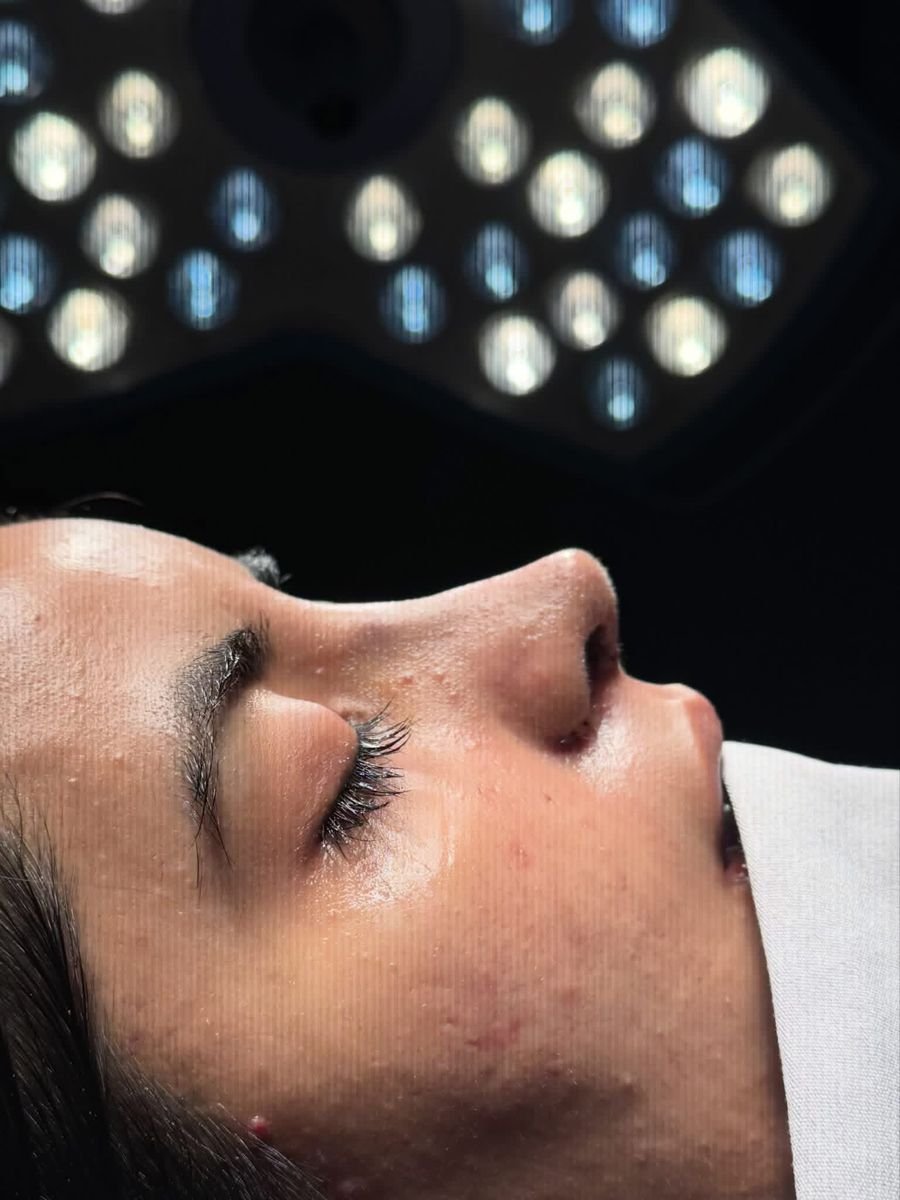
In ultrasonic rhinoplasty the nasal bone is sculpted with piezoelectric instruments instead of rasps and a chisel. The vibrations act on bone while sparing soft tissue, which allows finer work.
Dr. Carrillo specializes in ultrasonic rhinoplasty without nasal packing, using techniques he has developed and refined over his career.
Instead of uncomfortable traditional gauze packing he uses Doyle splints, thin soft-silicone sheets that support the nose and control bleeding, so you can breathe early after surgery.
Your own nasal cartilage and bone are reshaped and repositioned with less tissue damage, which means less bleeding, less pain and minimal bruising.
Every consultation includes standardized photos and a simulation of the change, so your new nose is designed around your taste and your expectations match what your anatomy allows.
For revision cases or noses that need more support and definition. A small piece of rib cartilage is taken through a tiny incision; because it is your own tissue, rejection risk is minimal and results last.
With the ultrasonic technique most patients return to office work or school between days 7 and 10, right after the splint comes off.
Normal life at home: eating, walking around, showering. No going out or exertion.
Splints come off (day 7–10). You can go out, work and lift light things.
Light exercise. Still no intense workouts, swimming or contact. No glasses resting on the nose until week 4–6.
Back to life exactly as before surgery.
Clear answers to what my patients in Mexico City and the US ask most.
In traditional rhinoplasty the nasal bone is cut with osteotomes and filed down with rasps. Ultrasonic rhinoplasty, also called piezo rhinoplasty, uses tips that vibrate at high frequency and act on bone while sparing skin, mucosa and blood vessels. That allows more controlled cuts and finer shaping of the bridge, and it is often associated with less swelling and bruising in the first days.
Primary rhinoplasty is a first nose surgery. Revision (secondary) rhinoplasty corrects or improves an earlier operation and is more complex because of scar tissue and, sometimes, less available cartilage. Several of my US patients have traveled specifically for revision rhinoplasty.
Revision rhinoplasty →When a deviated septum comes with the cosmetic concern, septorhinoplasty fixes both in one operation. That's why my consultation checks how you breathe, not only how your nose looks.
Septorhinoplasty →Thick skin, common in Latino patients, makes tip definition harder. The plan has to account for cartilage support and the time skin takes to settle, so the nose ends up finer while staying in proportion with your face.
Cost depends on the type of rhinoplasty (primary, revision or functional), whether cartilage grafts are needed, the hospital and anesthesia. After your consultation you receive a personalized written quote, with no surprises.
Check that the surgeon is certified by the Mexican Board of Plastic, Aesthetic and Reconstructive Surgery, that their specialty license appears in Mexico's SEP registry, and that you can see real nose results. Ask who operates on you and who handles your follow-up.
A successful rhinoplasty starts in the consultation: understanding what bothers you and what you hope for.
A full medical review and a conversation about your goals.
A surgical plan made for you, with clear timing and pricing.
In hospital, with a certified team and anesthesiologist.
Check-ups at Clínica Harmonía until your final result.
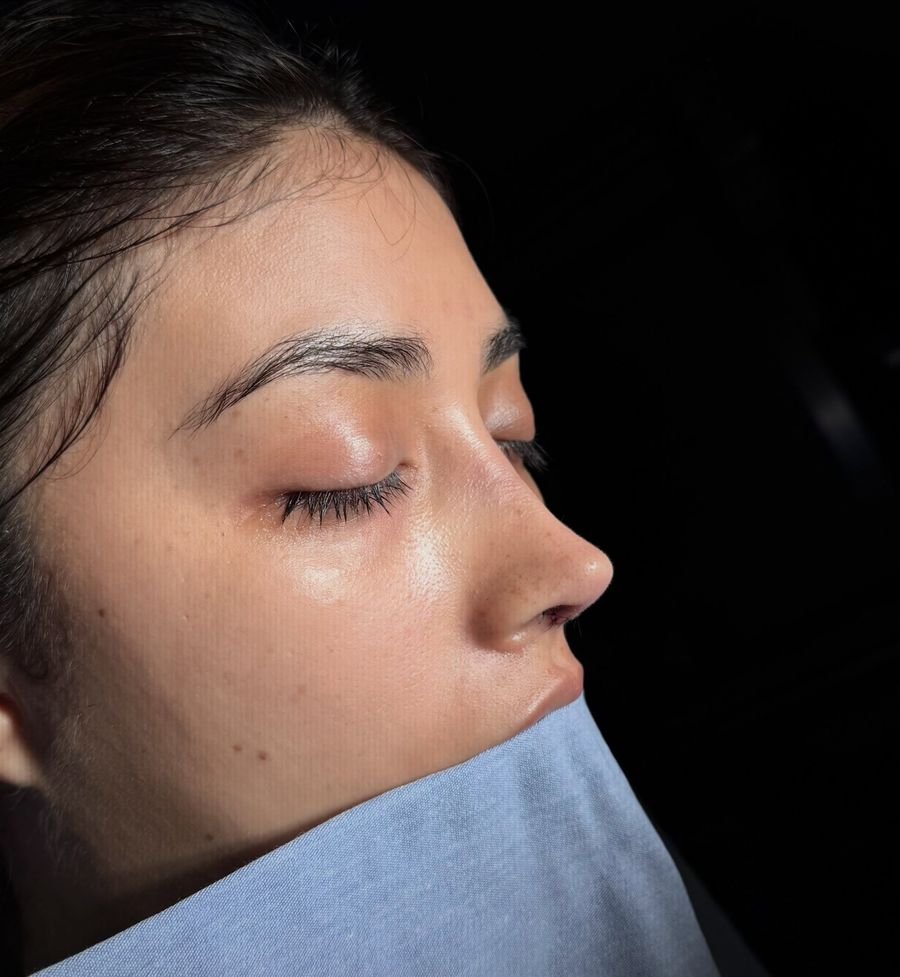
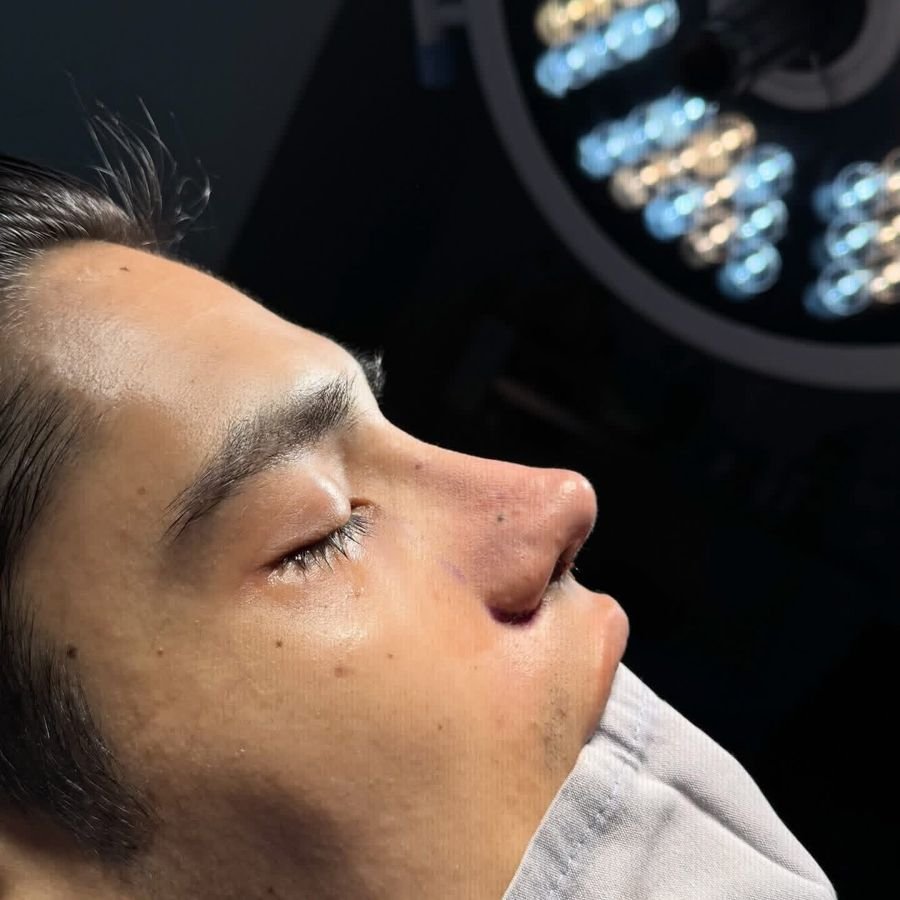
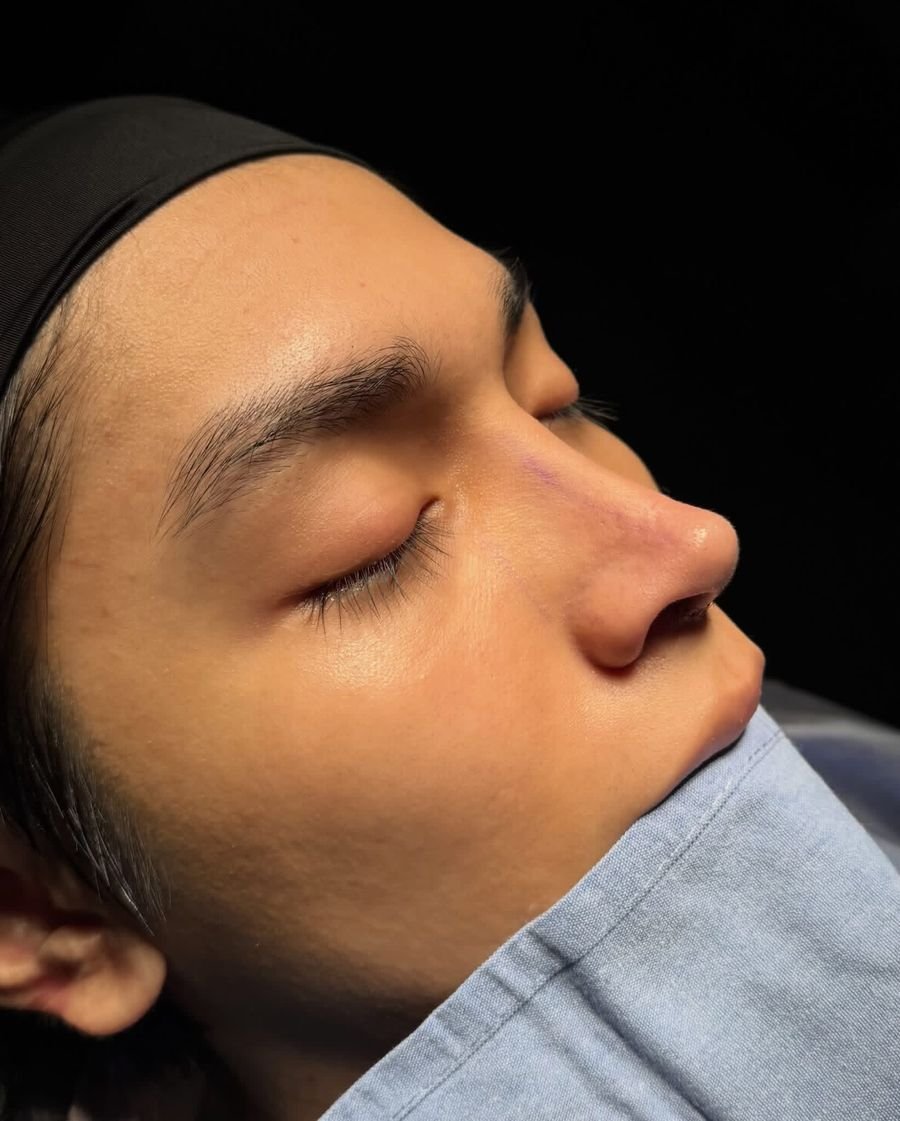
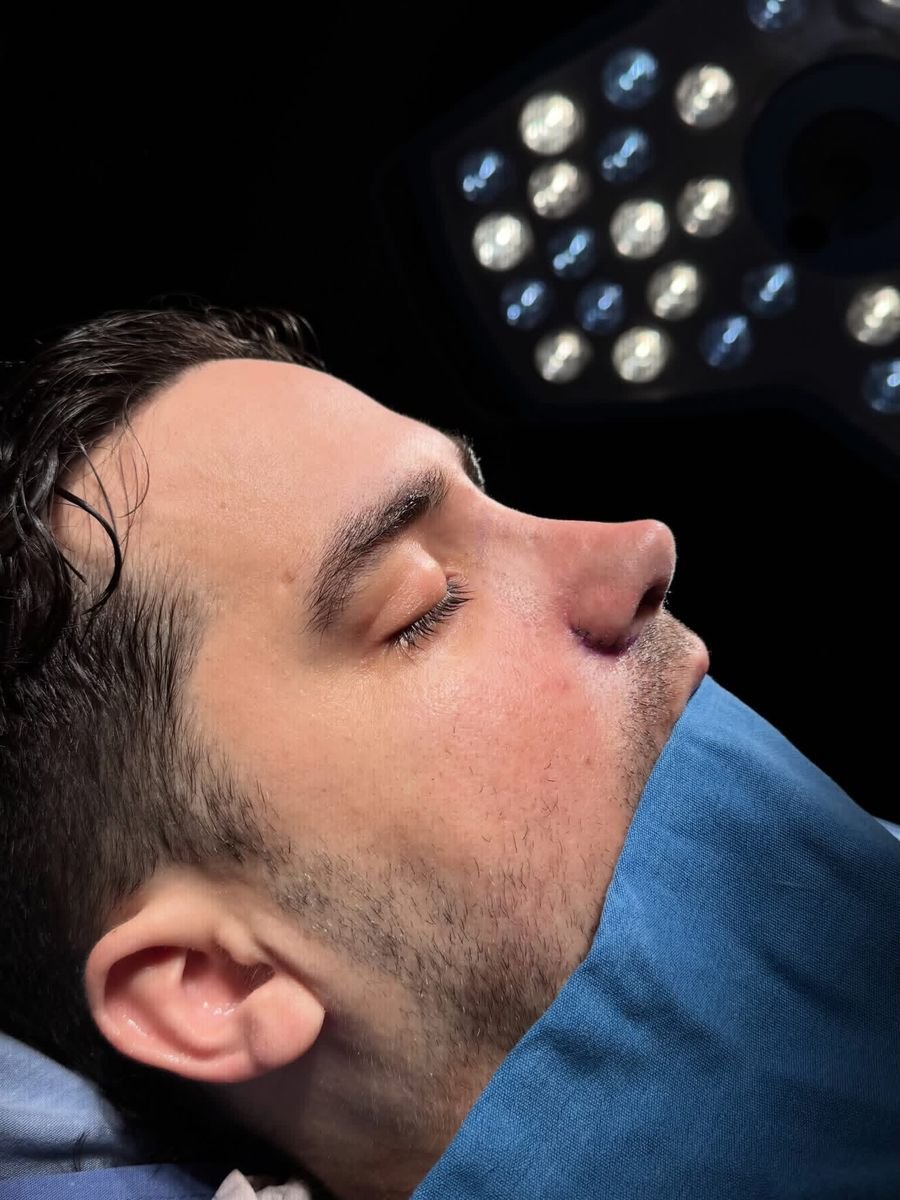
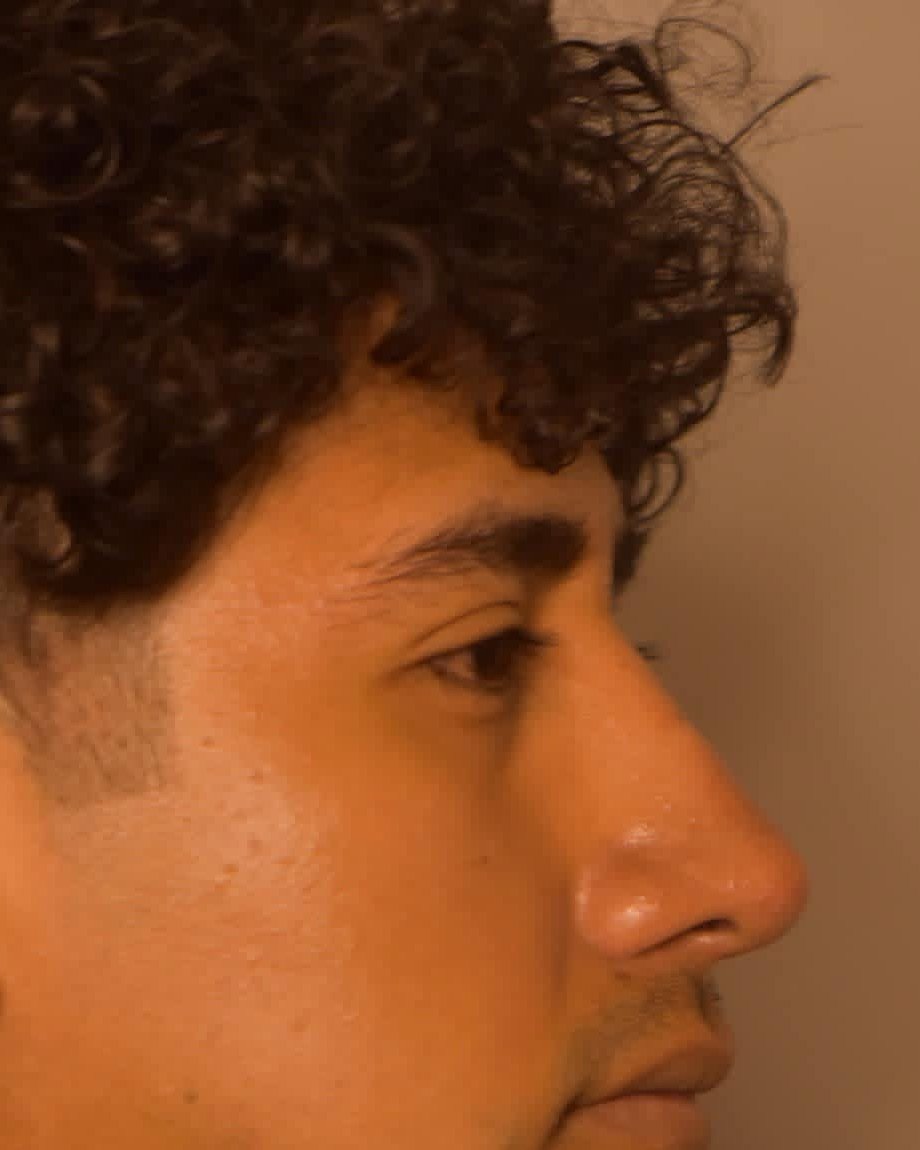
Anyone who wants to improve the bridge or tip, needs to fix breathing problems, or has a complex bone structure that calls for high precision. Women from age 16 and men from 17–18.
The piezo device cuts only bone and spares the small vessels around it. With no internal bleeding or tissue trauma, purple bruising around the eyes is minimal or nearly absent.
No. Most incisions are inside the nose. With the open technique there is a micro-incision on the columella (between the nostrils) that becomes imperceptible once healed.
No, that's one of the biggest myths. Discomfort is minimal and controlled with common painkillers; it feels more like congestion or a bad cold.
For office work, online classes or light activity, between days 7 and 10, right when the splint comes off.
The external splint usually comes off between days 7 and 10. No traditional packing is used; the internal silicone splints are thin and comfortable.
Keep any frames off the bridge of your nose for 4 to 6 weeks. Contact lenses are fine after a few days.
Yes, and it's the recommended approach. In one surgery the deviated septum is straightened (septoplasty), the turbinates reduced and the shape refined.
Non-surgical rhinomodeling can improve the profile in selected cases. Your consultation tells you honestly which option suits you.